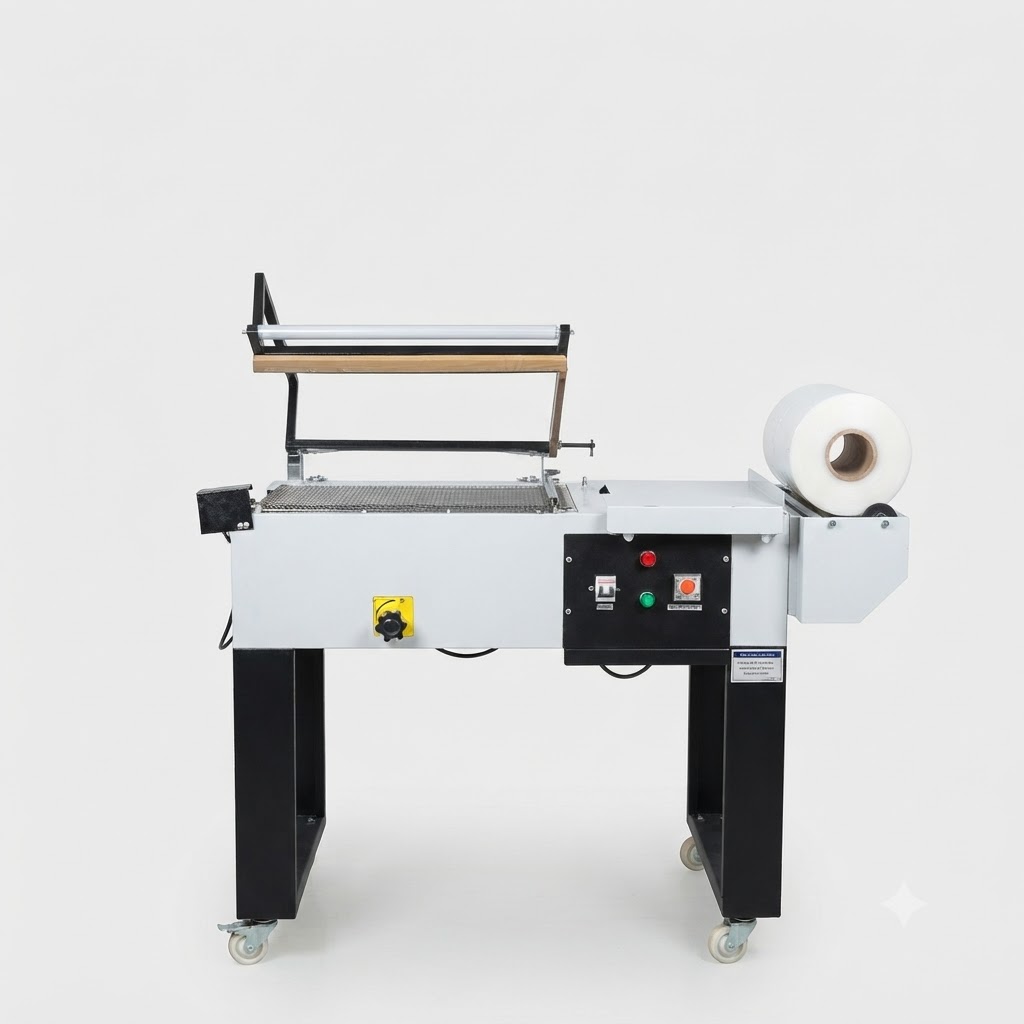


Bottle Cap Closing Machine | Pet Jar Cap Closing Machine
Bottle Cap Closing Machine is used to securely apply caps or lids onto bottles, jars, or containers. Bottle Cap Closing Machine automated precision.
| SPECIFICATIONS | RANGES | RANGES |
| Model No | CP- CL 40P | CP- CL 40M |
| Voltage (V/Hz) | 220 V/60 Hz | 220 V/60 Hz |
| Power (W) | 0.37 W | 0.37 W |
| Cap Diameter (mm) | 25×40 | 25×40 |
| Applicable Bottle Height (mm) | 50-320 | 50-320 |
| Capacity (Bottle/Hr) | <1200 | <1200 |
| Types of Cap | Plastic Cover | Metal Cover |
| External Dimension(LxWxH) | 650x200x920(mm) | 350x250x650(mm) |
| Net Weight (Kg) | 65 Kg | 65 Kg |
Product Description
Bottle Cap Closing Machine
Bottle Cap Closing Machine is a device used to securely apply caps or lids onto bottles, jars, or containers. Bottle Cap Closing Machine This type of machine is designed to assist in the capping process, balancing manual control and automated precision. It’s commonly used in industries where moderate production volumes are required.
Here’s an overview:
Key Features:
- Semi-Automatic Bottle Cap Closing Machine Operation: The operator manually places the cap on the container, and the machine automatically tightens and seals it.
- Adjustable Torque Settings: Allows for precise control of the torque applied to the cap, ensuring it is tightened to the correct specification without over-tightening.
- Versatility Bottle Cap Closing Machine: Capable of handling various types and sizes of caps, including screw caps, snap caps, and press-on caps.
- Durable Construction: Made from robust materials to ensure longevity and consistent performance in industrial environments.
- User-Friendly Interface: Simple controls for easy operation, often with a foot pedal or button to activate the capping process.
- Adjustable Height: The machine can be adjusted to accommodate different container heights.
Common Uses:
- Food and Beverage Industry: Capping water bottles, sauces, oils, and other consumable products.
- Pharmaceuticals: Sealing containers of medicines, supplements, and health products.
- Cosmetics: Capping jars and bottles of lotions, creams, shampoos, and other beauty products.
- Chemicals: Securing containers of cleaning agents, industrial chemicals, and other hazardous materials.
- Agriculture: Sealing containers of pesticides, fertilizers, and other agricultural products.
Benefits:
- Efficiency: Increases the speed of the capping process compared to manual capping, improving overall productivity.
- Consistency: Ensures each cap is applied with uniform torque, reducing the risk of leaks or under-tightening.
- Ease of Use Bottle Cap Closing Machine: Simple to operate, requiring minimal training and reducing the likelihood of operator fatigue.
- Flexibility: It can be used with a wide range of cap and container sizes, making it suitable for different products.
- Cost-Effective Bottle Cap Closing Machine: More affordable than fully automatic machines, making it a good choice for small to medium-sized operations.
Operation Process:
- Preparation: The operator places the cap loosely on the container.
- Positioning: The container is placed under the capping head.
- Activation: The operator activates the machine by pressing a button or foot pedal.
- Capping: The machine applies the cap and tightens it to the set torque level.
- Completion: The capped container is removed, and the next one is placed.
Maintenance Tips:
- Regular Cleaning Bottle Cap Closing Machine: Keep the capping head and other components clean to ensure consistent operation.
- Inspection Bottle Cap Closing Machine: Regularly check for wear and tear on moving parts such as gears, belts, and the capping head.
- Lubrication: Lubricate the machine’s moving parts according to the manufacturer’s guidelines.
- Calibration: Periodically check and adjust the torque settings to maintain accurate and consistent capping.
- Spare Parts Bottle Cap Closing Machine: Keep essential spare parts like capping heads and belts on hand to minimize downtime.
Environmental Considerations:
- Energy Efficiency: Opt for machines with energy-saving features to reduce electricity consumption.
- Recyclable Caps: Use recyclable or biodegradable caps and containers when possible.
- Waste Management: Implement proper disposal and recycling of packaging waste to minimize environmental impact.
A semi-automatic cap-closing machine is a valuable tool for businesses that require a reliable and efficient method of sealing containers. Its blend of manual and automatic features makes it ideal for industries with moderate production needs Follow For More